

Telehealth OCD Treatment For Clients In Texas
Specialized OCD therapy for children, adolescents, and adults experiencing intrusive thoughts, anxious feelings, and repetitive behaviors.
✓ Control Your Thoughts
✓ Feel Safe Again
✓ Experience Freedom
OCD makes us feel afraid, alone, overwhelmed, and trapped.
Living with OCD is being stuck in a cycle of intrusive thoughts, anxious feelings, and repetitive worries and behaviors.
-
What if something terrible is about to happen?
What if I contract a serious or deadly germ from the environment?
What if I get contaminated with a chemical?
What if I hit someone with my car without knowing it?
What if I stab someone?
What if I’m a pedophile?
What if I somehow cause someone else harm?
What if the door is unlocked or the stove is still on?
What if I can't stop thinking about my breathing, heart beat, or swallowing?
What if I do something sinful and go to hell?
What if I didn’t understand what I just read?
What if I drive my car off the road…or into pedestrians?
What if I’m not in the right relationship?
What if I somehow was unfaithful to my partner?
What if these items aren’t properly arranged?
What if I don’t do something "just right" and it causes something bad to happen to me or my family?
What if I’m gay and I don’t know it?
What if I’m straight and I don’t know it?
What if I can’t stop thinking this thought?
What if I can’t trust my memory?
What if I can’t stop having this feeling?
What if I can’t be certain?
-
Trying to get certain thoughts out of your mind
Attempting to get rid of particular feelings
Washing / decontaminating over and over
Wishing you could better control your thoughts
Checking over and over to make sure you didn’t make a mistake
Trying to do something perfectly or to get things to feel “complete” or “just right”
Spending lots of time (even hours) doing the same thing over and over
Knowing other people might find your behaviors unusual but feel you need to complete your behaviors anyways
Avoiding people, places, or things that most people don’t
Asking for reassurance from others in order to feel better
Constantly attempting to be 100% certain about things
Consistently trying to control your anxiety as much as you can
-
Consume hours of your day.
Prevent you from living the life that you want.
Keep you feeling overwhelmed and anxious.
Disrupt relationships.
You’re not alone.
We’re a team of recognized OCD researchers & therapists and we help our clients overcome OCD by providing compassionate support and expert guidance.

Meghan Cromie, MA, LPC
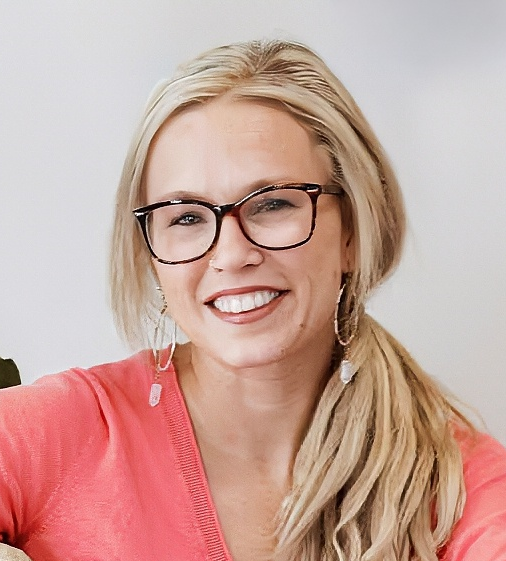
Jessie Castro, MEd, LPC

Brett Deacon, PhD, LP

William Schultz, MA, LPCC
Overcoming OCD Is Possible.
Trying to directly control intrusive thoughts and anxious feelings doesn’t work. Even if you’re able to block the thoughts and feelings momentarily, they always come back.
OCD can take over your life. And it doesn’t go away on its own. But OCD can be effectively treated.
We’ll help you master new skills that provide lasting relief. In our time together, you’ll:
Learn how to manage your intrusive thoughts and anxious feelings
Break the cycle of repetitive behaviors
Move from feeling scared to feeling safe
Cultivate a sense of self-compassion and empowerment
Improve your relationships and overall quality of life
Get out of your head and back into your life
Your roadmap to recovery starts here.
With the right support and guidance, living a life free from OCD is possible.
01
Request a Consultation
During your free consultation, we’ll discuss what you’re experiencing, how it’s getting in the way of your life, and explore your treatment options.
02
Develop Your Plan
Together, we’ll work together step-by-step to create an your individualized treatment plan.
03
Experience Freedom
When you’re no longer held prisoner by your thoughts and feelings, you’re able to live the life you want.
We can help. Contact us now.
We’ll reply within 24 hours (and usually a lot sooner).
Frequently Asked Questions
-
William provides in-person appointments at his office in downtown St. Paul. He also offers virtual appointments for clients in MN, TX, and WI.
Brett offers virtual appointments for clients in TX.
Jessie offers virtual appointments for clients in TX.
Meghan offers virtual appointments for clients in FL and TX.
-
After your initial free consultation, you’ll be emailed a link to our client portal. Once you’ve joined the portal, you’ll be able to join our online sessions with the click of a few buttons. It’s easy, convenient, and secure. We’ll walk you through the entire process step-by-step.
-
At this time, we do not currently offer regular weekly in-person sessions in Texas.
However, we do offer 4-day in-person intensives periodically throughout the year. Click here to learn more.
-
No one can predict precisely how long ERP will take for any specific person. An important factor in treatment duration is how willing a client is to complete their at-home exposure practices.
What is at-home exposure practice?
After learning how exposure and response prevention treatment works and participating in several exposures with me in-session, we encourage our clients to complete an exposure every day on their own.
Research suggests that those of us suffering with OCD will see substantial, durable benefit after completing between 60 to 100 exposures combined with response prevention. If you complete seven exposures a week, this means you can expect to see reduced symptoms and improved functioning within approximately two to four months.
-
55-minute session:
Brett: $275
Jessie: $275
Meghan: $275
William: $475
-
During our first appointment, we’ll want to know more about what’s troubling you and what you’d like to be different in your life. You’ll have a chance to ask us questions. We’ll help you understand what’s keeping you stuck and provide you recommendations. If you continue to feel we’re a good fit for you, we’ll begin to collaborate on a plan to get you feeling better.
-
No. We’ll never surprise, pressure, or force you to complete an exposure.
And we’ll never ask you to complete an exposure that we wouldn’t also complete.
However, it’s true that the exposures we plan and implement together probably won’t feel good.
And that’s why it’s critically important that clients understand why they are completing an exposure and then voluntarily choose to do so.
OCD doesn’t go away on its own.
Thinking about reaching out but want to learn more? Visit our blog for information about OCD and OCD treatment.